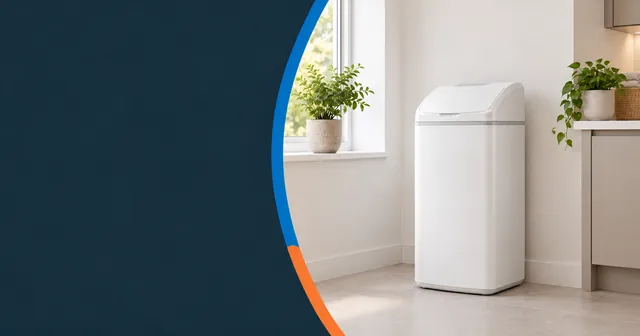
Yes, a plumber can fit a water softener, and it is a sensible job for a plumber to do. It involves connecting to the mains water, to a drain and to a power supply, and there are rules about protecting the water supply. Here is what you need to know before you decide.
What a softener does
Hard water carries dissolved calcium and magnesium, which form limescale. Scale coats kettles and taps, clogs showers and builds up inside boilers and pipes, which makes them work harder and wear faster. Much of Hertfordshire, Bedfordshire and Norfolk is a hard water area.
A water softener swaps those minerals for sodium as water passes through resin inside the unit. Every so often the resin is recharged, which uses salt and a little water, and the waste goes to a drain.
Benefits
- Less limescale on taps, screens and appliances
- Appliances such as washing machines and dishwashers are better protected
- Soap and shampoo lather more easily
- A boiler and the hot water system face less scale
What is needed to fit one
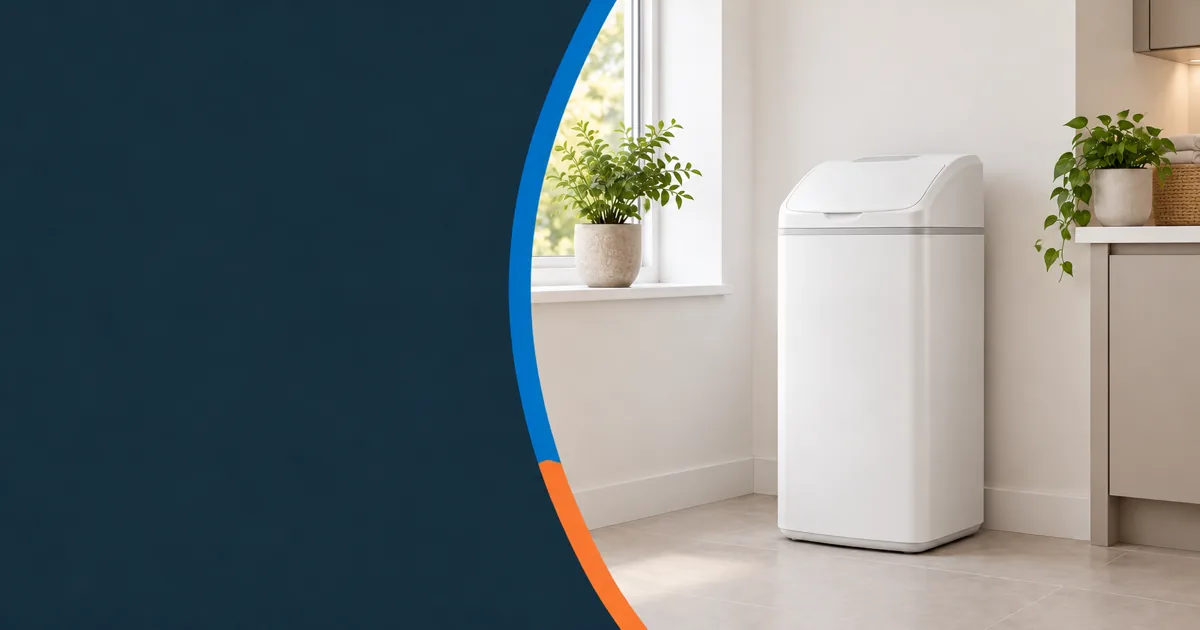
- Space. Typically about the size of a small cabinet, in a utility room, garage or under a sink.
- A mains water connection, fitted after the stopcock so the whole house is softened.
- A drain nearby, for the waste water during recharge.
- A power supply, because most units are electronic.
- Regular salt. You top it up by pouring salt blocks or tablets into the unit.
The installation must meet the Water Fittings Regulations, including protection against water flowing back into the supply, so use a competent installer.
The drinking water tap
Softened water contains more sodium, and it is common to leave the kitchen cold tap on unsoftened mains water for drinking and cooking. Installers usually fit the softener so that one tap is left unsoftened. If you have a baby, or advice from a doctor about sodium, mention it before the installation.
Running costs and upkeep
You will need to buy salt, and the unit uses a little water and electricity. It also needs servicing now and then. Costs vary with the size of the household and the hardness of the water. Ask for a clear breakdown of what to expect before you buy.
Is it for you?
A softener is usually most worthwhile if you live in a hard water area and notice scale on your taps, shower and kettle, or you have a boiler or appliances you want to protect. It does not filter out contaminants. It deals with hardness only.
If your boiler's guarantee has conditions about water quality, check them. Also see how a softener fits with combi boilers in hard water areas.
We fit water softeners as part of our plumbing services. Get in touch and we will talk through whether one makes sense for your home.